Approach

Our design process is centered on carefully made drawings and models. The aim is to immerse the people we work with in the design process, to fuel an imagination of what a project can be. Ultimately to create architecture that exceeds the initial expectation for a project.
We are committed to using low-cost and simple materials in creative ways, in order to build structures that are simple to maintain and respectful to the environment. Our ultimate goal is to elevate the quality of everyday buildings through good design, and to challenge the conventional wisdom of disposable, mass-produced products and buildings.
We take pride in designing spaces that are adaptable, that work hard to serve multiple purposes and enable economy in their use. Our aim is to create buildings that are not only beautiful, but also designed to stand the test of time and are sustainable in their ability to evolve with their users’ changing needs.
Design Development
Each project follows a general route from feasibility and concept design through to construction. The Royal Institute of British Architects (RIBA) publishes a detailed document that acts as a good template for the working process of a project; the RIBA Plan of Work. It breaks building design and construction process into several work stages. Full details of the RIBA Plan of Work can be found here.
Richard can provide services from RIBA stage 1-7. The following provides a brief overview of these services.
Feasibility and Concept Design
RIBA stages 1 and 2
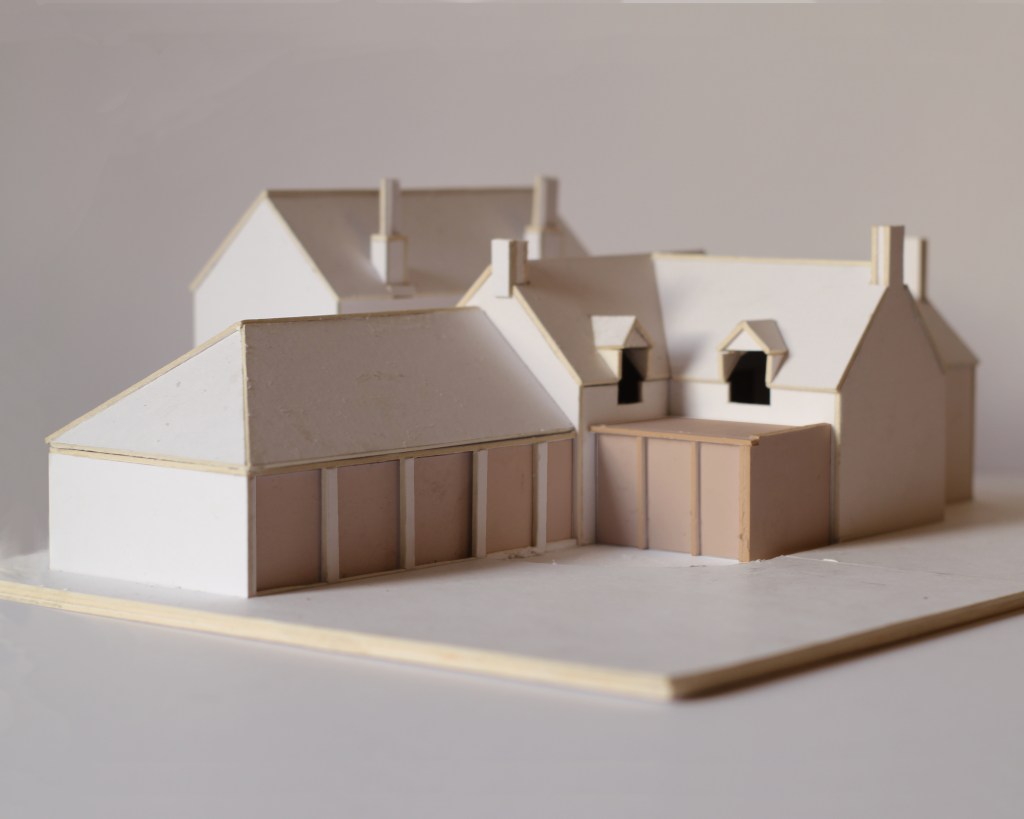
The client’s brief is the starting point for every project. Feasibility studies help to consider how the brief best aligns with the limitations of the site. These studies make the starting point for the design process clear, ensuring the finished project is practical and well-designed.
The first step in the design process, the concept design gives an initial impression of what the project will be. It considers how the brief translates to into three dimensional space and how this might feel.
Developed Design, Planning and Listed Building Consent
RIBA stage 3
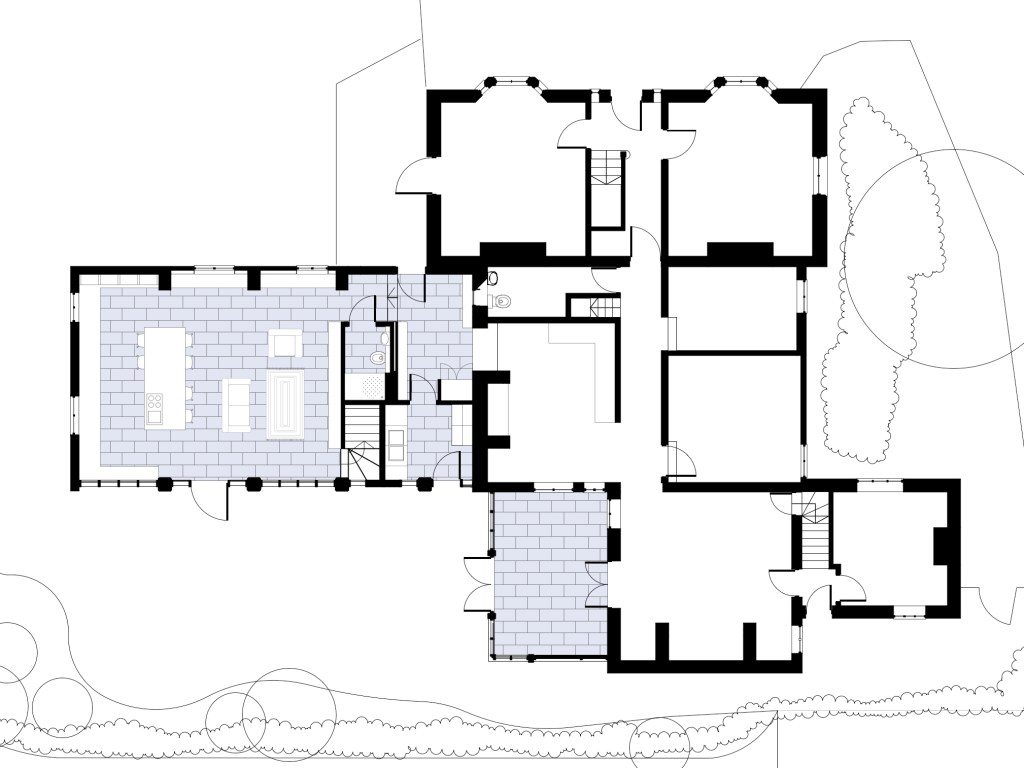
For anything other than small projects and internal refurbishments, it is likely that some form of planning application is required. Any works to a Listed Building will require Listed Building Consent.
Some development work is required to add enough detail to the concept design in order to submit a planning or Listed Building application. The developed design will build upon the impressions of the concept design, making it clear exactly how the proposed spaces will be defined and arranged and what materials will be used to make them.
Technical Design
RIBA stage 4
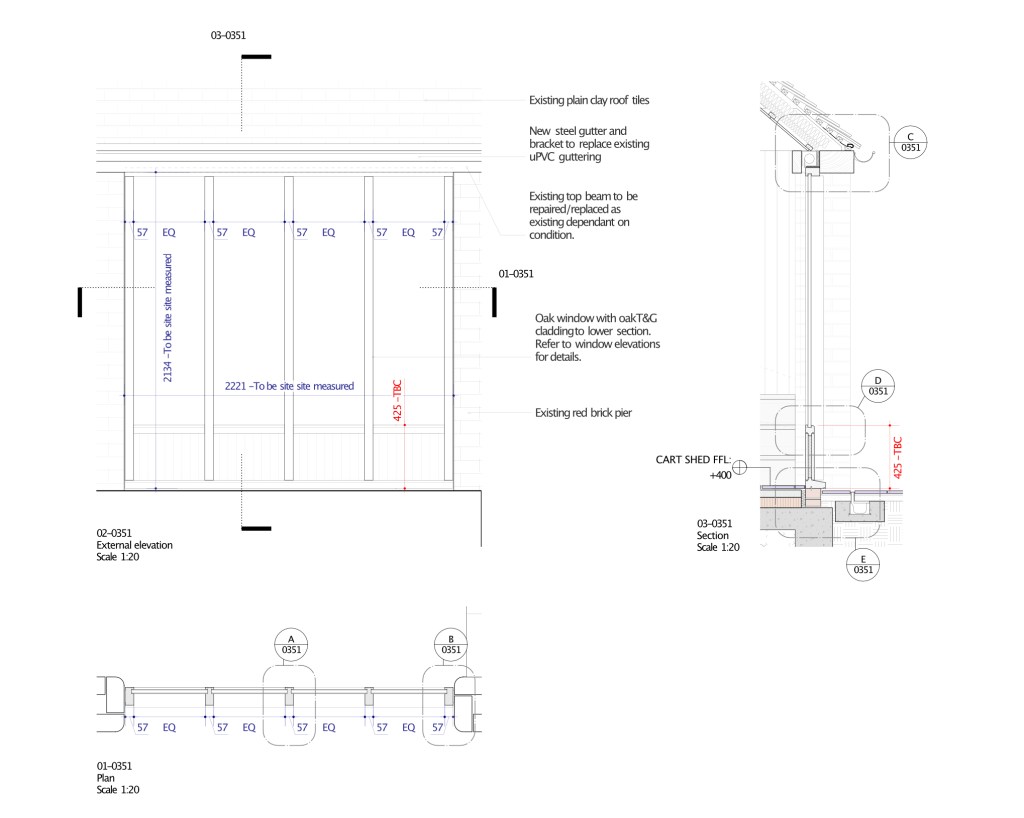
Technical design involves working out how the scheme can be constructed appropriately. The key factors to discuss with a client will be the quality of the finished building and its materials whilst considering the time and money required.
Typically, the first milestone of this stage is ensuring the proposals are compliant with building regulations. The second is the completion of a full set of drawings and project information, this enables the project to be tendered to a contractor.
Construction
RIBA stage 5

During the construction stage, an architect typically assists the construction team in some way, the nature of this assistance can vary from project to project. As a rule, increased input from an architect during this stage will keep the project well managed and maintain the client’s control over the process.
Close communication between architect and builder ensures what has been designed is reflected in what is built, in a reasonable time and for a fair price. The client is also supported in this process by being kept informed and alert to any decisions they need to make during this stage.
 Richard O'Hanlon Studio